The Costa Azul (Blue Coast) stretches south of Lisbon along the Setúbal Peninsula and down to the Alentejo coast. This diverse region combines dramatic natural landscapes, historic towns, pristine beaches, and some of Portugal's finest seafood.
From the rugged cliffs of the Serra da Arrábida Natural Park to the golden sands of Tróia, from the historic port city of Setúbal to the medieval castle of Palmela, the Costa Azul offers an authentic Portuguese experience just a short drive from the capital.
Main Destinations
Setúbal
The regional capital and Portugal's third-largest port, Setúbal sits at the mouth of the River Sado. This working city has a charming historic centre, excellent fish restaurants, and serves as the gateway to the Arrábida Natural Park and the Sado Estuary Nature Reserve.
Don't miss the daily fish auction at the port, the Igreja de Jesus (a masterpiece of Manueline architecture), and the Museu do Convento de Jesus with its outstanding collection of Portuguese primitives.
Sesimbra
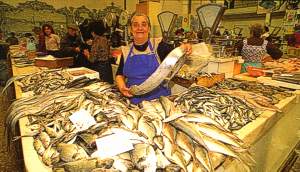
This picturesque fishing village nestled beneath dramatic cliffs has become a popular beach resort while retaining its traditional character. The Moorish castle perched on the hilltop offers spectacular views, while the harbour front comes alive each afternoon as fishing boats return with the day's catch. Sesimbra is famous for its swordfish and grilled fish restaurants.
Palmela
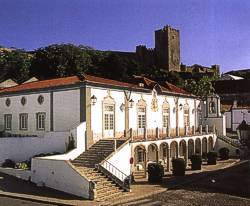
Crowned by an impressive medieval castle that has been converted into a pousada (historic hotel), Palmela commands sweeping views across the Setúbal Peninsula. The town is the heart of the Palmela wine region, known for its Moscatel dessert wine. The castle grounds and church are open to visitors, and the surrounding vineyards offer wine tastings.
Tróia Peninsula
A long sandy spit extending into the Sado estuary, Tróia is famous for its pristine beaches and Roman ruins. Regular ferries connect Setúbal to this peninsula, which features upscale resorts, a golf course, and kilometres of unspoilt Atlantic coastline. The Roman ruins of Cetóbriga include a fish-salting factory that was once one of the largest in the Roman Empire.
Alcácer do Sal
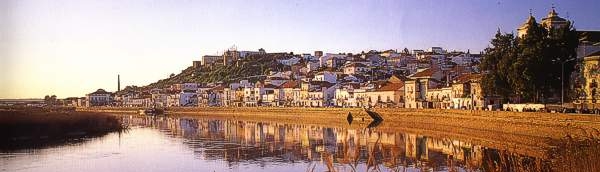
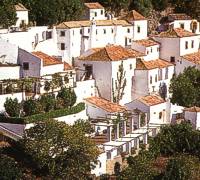
One of the oldest continuously inhabited towns in Europe, Alcácer do Sal sits on a hillside overlooking the River Sado. Its Arabic name means "castle of salt," reflecting its historic importance in the salt trade. The castle has been converted into a pousada, and the town's whitewashed houses and riverside setting make it a peaceful stop.
Serra da Arrábida Natural Park
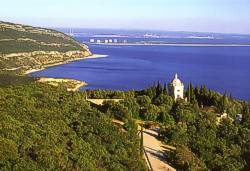
The Serra da Arrábida is one of Portugal's most spectacular natural areas. Limestone cliffs plunge dramatically into crystal-clear waters, creating a coastline of hidden coves and pristine beaches accessible only by foot or boat.
The park's Mediterranean vegetation includes rare species found nowhere else in Portugal. The 16th-century Convento da Arrábida, clinging to the clifftops, is one of the region's most evocative sights.
Best beaches: Praia de Galapinhos, Praia da Figueirinha, Praia de Portinho da Arrábida
Nature & Wildlife
The Sado Estuary Natural Reserve is home to one of Europe's only resident populations of bottlenose dolphins. Boat trips from Setúbal offer excellent chances to see these charismatic mammals in their natural habitat.
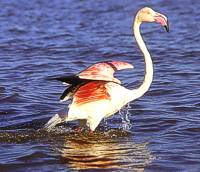
The estuary's mudflats and salt marshes attract large numbers of migratory birds, making it a paradise for birdwatchers. Flamingos, spoonbills, and various waders can be spotted seasonally.
History & Museums
Museu do Convento de Jesus, Setúbal
Housed in the cloister of the remarkable Igreja de Jesus, this museum contains valuable collections of national and foreign paintings, sculpture, jewellery and tiles dating from the fifteenth century to the present day. The church itself, designed by Diogo Boitac, is considered the earliest example of Manueline architecture in Portugal.
Roman Ruins of Tróia
The ancient Roman settlement of Cetóbriga on the Tróia Peninsula was one of the largest fish-salting centres in the Roman Empire. The excavated remains include fish-processing tanks, a bathhouse, and early Christian tombs.
Miróbriga, Santiago do Cacém
One of the most important Roman sites in Portugal, Miróbriga features the remains of a forum, bathhouse, hippodrome, and residential areas. The site museum displays artifacts found during excavations.
Gastronomy
The Costa Azul is renowned for its fresh fish and seafood. Setúbal's specialty is choco frito (fried cuttlefish), while Sesimbra is famous for grilled swordfish.
The region produces excellent Moscatel de Setúbal, a sweet fortified wine perfect as a dessert accompaniment or digestif. The local Azeitão cheese, a creamy sheep's milk cheese, is another delicacy.
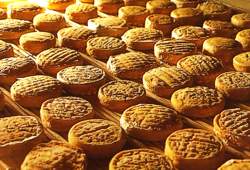
Try the regional sweets, particularly tortas de Azeitão (rolled pastries with egg cream).
Activities
Water Sports
- Dolphin watching in the Sado Estuary
- Diving and snorkelling in Arrábida
- Sailing and windsurfing
- Kayaking along the coast
- Sport fishing from Sesimbra
Land Activities
- Hiking in Serra da Arrábida
- Wine tasting in Palmela and Azeitão
- Golf at Tróia
- Cycling through the vineyards
- Birdwatching in the Sado reserve
Practical Information
Getting There
The Costa Azul is easily accessible from Lisbon. Cross the Vasco da Gama or 25 de Abril bridge and take the A2 motorway south. Setúbal is about 50 km from Lisbon (45 minutes by car). Ferries operate between Setúbal and Tróia.
Public transport: TST buses operate regular services from Lisbon's Praça de Espanha to Setúbal and Sesimbra.
Best Time to Visit
The Costa Azul enjoys a mild climate year-round. Summer (June-September) is ideal for beaches, though the Arrábida beaches can get crowded. Spring and autumn are perfect for hiking and wine tasting. Winter is quiet but pleasant for nature observation.