About Beja
In Beja, history reaches back to Roman times when it became a regional capital under Julius Caesar. Today, it remains the capital of Portugal's largest and most sparsely populated district.
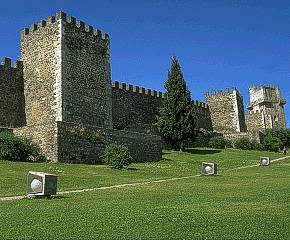
Moorish architecture is visible in the cobbled streets and whitewashed houses of the old town, while a castle from the 13th century reminds us of the struggle to keep enemies at bay. The castle overlooks the immense flat plains of Alentejo, one of the most important agricultural regions of Portugal.
Beja is also famous for the passionate "Portuguese Letters," allegedly written by a 17th-century nun to her French lover, making this city forever associated with themes of love and longing.
Major Landmarks
The Castle
While resting on Roman fortifications, the castle was rebuilt by King Dinis in 1310. The most significant aspect is the imposing Torre de Menagem (keep), now the symbol of Beja, with its battlements and narrow walkway running around the tower. Inside, three floors feature ogival doors and worked vaults. The upper floor is reached by a 183-step spiral staircase, offering one of the best views over the city and surrounding region.
Se Cathedral
The Se de Beja remains open all day to visitors, though its sober exterior, dimmed by the grandeur of the castle's fortified walls, doesn't reveal the rich decoration that lies within its calm interior.
Church of Santo Amaro
Dating back to the late 5th century when Visigoths settled the region, this is a fine example of Paleo-Christian architecture in Portugal. It now houses the Beja Regional Museum's Visigoth exhibition, with pieces from the 5th to 8th centuries highlighting the transition from Roman to Visigoth domination.
Rainha D. Leonor Regional Museum
Located in the former Convent of Conceicao, this museum holds the main collection including Roman artifacts dating to Julius Caesar's time, medieval epigraphy and heraldry. The convent itself is associated with the famous "Portuguese Letters" of love.
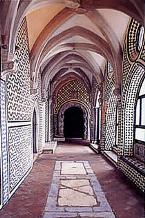
Saint Francis Convent
The Chapel of Tombs features well-preserved Gothic architecture with a semi-circular vault and an enormous pointed arch window. The convent has been adapted into a pousada, allowing visitors the pleasure of staying in this historical and mystical place.
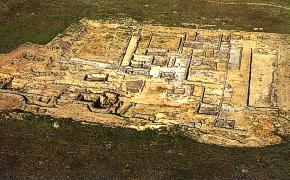
Pisoes Roman Villa
Located about 10 km from Beja on the road to Faro, this luxurious Roman villa was probably part of a farming estate from the 1st to 4th centuries. The ruins allow visitors to admire the series of rooms including elaborate bathhouses with a sophisticated heating system.
Practical Information
Getting There
Beja is located in the heart of the Alentejo plains, about 180 km southeast of Lisbon. The city is accessible by car via the IP2 or by bus from Lisbon. A regional train line connects Beja to the main Lisbon-Algarve route.
Best Time to Visit
Spring and autumn offer the most pleasant weather. The Ovibeja agricultural fair in late April/early May showcases traditional Alentejan culture and gastronomy.
Local Specialties
Beja's gastronomy features hearty Alentejan dishes: pork prepared various ways, sheep's cheese, acorda, and honey-based sweets. Local wines from the Alentejo region pair perfectly with the cuisine.
Nearby Attractions
The surrounding countryside offers charming villages like Serpa, Mertola (with its remarkable Islamic heritage), and Alvito, each with their own castles and historic centres worth exploring.