About the Alentejo
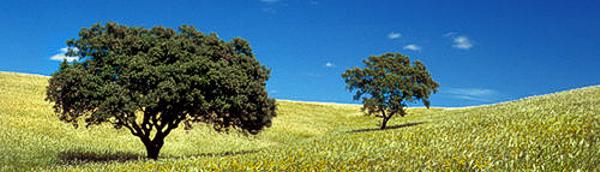
The Alentejo is Portugal's heartland - a land of endless golden plains, cork oak forests, ancient dolmens, medieval castles, and whitewashed villages where time moves to a gentler rhythm.
Covering nearly a third of Portugal yet home to just 5% of its population, the Alentejo offers visitors an authentic experience of traditional Portuguese life. From the UNESCO World Heritage city of Evora with its Roman temple and medieval cathedral, to Moorish villages, royal palaces, and some of Europe's finest preserved Roman ruins, the region is a treasure trove of history.
The Alentejo is also renowned for its exceptional gastronomy - robust wines, acorn-fed pork, sheep's cheese, and bread-based dishes that speak to centuries of rural tradition. The creation of Europe's largest artificial lake at Alqueva has added water sports and stargazing to the region's attractions.
Explore the Alentejo
Click on any destination to discover its unique attractions, monuments, history and local character.
Central Alentejo
- Evora - UNESCO World Heritage, Roman Temple, Cathedral
- Montemor-o-Novo - Birthplace of Sao Joao de Deus, castle
Alto Alentejo (North)
- Portalegre - Serra de Sao Mamede, Marvao, Castelo de Vide
- Estremoz - Royal marble town, castle pousada
- Vila Vicosa - Ducal Palace of Braganca
- Borba - Famous wines and marble
Baixo Alentejo (South)
- Beja - Roman origins, medieval castle, Visigoth heritage
- Moura - Moorish quarter, Alqueva Dam region
Alentejo Litoral (Coast)
- Santiago do Cacem - Roman ruins of Mirobriga, beaches
Region Highlights
UNESCO Heritage
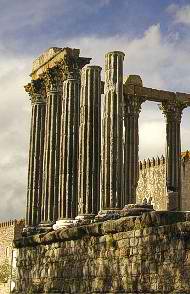
The Historic Centre of Evora is a UNESCO World Heritage Site, featuring the remarkably preserved Roman Temple of Diana, the medieval Cathedral, and the haunting Chapel of Bones.
Castles and Fortresses
Medieval castles crown hilltops throughout the region - from the dramatic walls of Marvao to the royal castle of Estremoz, now a luxury pousada where kings once lodged.
Ancient History
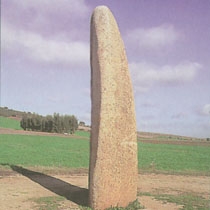
The Alentejo holds Portugal's richest archaeological heritage: megalithic cromlechs and dolmens, the Roman city of Mirobriga, Moorish quarters, and Visigoth churches dating to the 5th century.
Wine and Gastronomy
The Alentejo produces some of Portugal's finest wines. Pair them with acorda, migas, black pork, sheep's cheese, and the region's famous honey-based sweets.
The Marble Triangle
The towns of Estremoz, Borba, and Vila Vicosa form Portugal's famous "marble triangle" - home to some of Europe's largest deposits of white marble. For centuries, this "white gold" has been extracted and used in buildings across Portugal and the world. Visit the quarries, see marble-clad churches, and browse shops selling decorative objects crafted from this precious stone.
Getting Around
By Car
The A6 motorway connects Lisbon to the Alentejo in under two hours. Evora is the natural base for exploring the region. A car is essential for visiting smaller towns and the countryside.
Best Time to Visit
Spring (April-May) brings wildflowers and mild temperatures. Autumn (September-October) offers harvest festivals and wine-making. Summer can be very hot - plan accordingly.