About Borba
Small towns also make history - and Borba is fiercely proud of its identity that dates back to the very foundation of Portugal as a nation-state.
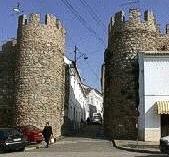
Given a town charter by King Dinis, Borba is the centre of an administrative area which may be small but boasts a rich heritage. The castle and city walls were ordered built by King Afonso II, establishing Borba's importance from the earliest days of the kingdom.
Today, Borba is famous for two things: its excellent wine and its quality marble. The local wines - both white and red - are celebrated throughout Portugal, while the marble has been used in buildings across the country and around the world. The Order of Servas de Cristo chose this location for their convent, a sign of the region's spiritual significance.
Places of Interest
Castle Ruins
The medieval castle ruins stand as testament to Borba's strategic importance during Portugal's formative years. Though partly in ruins, the fortification ordered by King Afonso II reminds visitors of the town's role in defending the young nation.
Church of Nossa Senhora das Neves
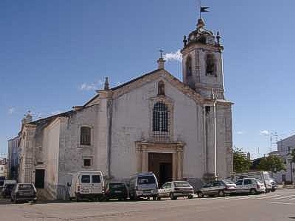
Dating from the 15th century, this church dedicated to Our Lady of the Snows is one of Borba's oldest religious buildings. Its architecture reflects the late Gothic style that was prevalent during Portugal's age of discovery.
Church of the Convent of Servas de Deus
Built between the 17th and 18th centuries, this church was part of the convent of the Order of Servas de Deus (Servants of God). The elaborate interior showcases the Baroque style that flourished in Portugal during this period.
Church of Sao Bartolomeu
The 17th-century Church of St. Bartholomew features a large stone cross at its entrance, a distinctive landmark in the town. The church's interior contains fine examples of religious art from the period.
Church of Santo Antonio
Another 17th-century church dedicated to St. Anthony, this building contributes to Borba's impressive collection of religious architecture.
Via-Crucis
The 18th-century Stations of the Cross represent an important pilgrimage tradition. The series of chapels leads to the festival grounds of Nossa Senhora Jesus dos Aflitos, celebrated on the weekend nearest to August 15.
Church of Misericordia
Built between the 16th and 18th centuries, this Misericordia church served the charitable brotherhood that cared for the poor and sick. The building reflects the evolving architectural styles across three centuries.
Town Hall
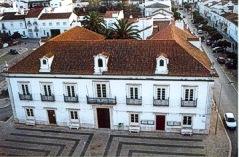
The 17th-century Town Hall (Camara Municipal) stands as a fine example of civic architecture from the period, reflecting the administrative importance of this marble-rich region.
Fountain of Bicas
This elegant 18th-century fountain provided water to the town and remains a charming landmark, showcasing the decorative marble work for which the region is famous.
Surrounding Villages
Rio de Moinhos
The Parish Church of S. Tiago dates from the 13th century with important alterations in the 17th century. Here you'll find the Padrao da Batalha de Montes Claros, a stone obelisk commemorating the 17th-century Battle of Montes Claros. The Convent of Nossa Senhora da Luz (16th-18th century) can be visited by prior arrangement.
Orada
Home to the Church of Nossa Senhora da Orada (18th century) and a City Hall Museum featuring painting, rural art, and the traditional Sandes dolls.
Barro Branco
Visit the Chapel of Nossa Senhora da Vitoria (17th century) in this quiet village.
Practical Information
Wine and Gastronomy
Borba's wines are renowned throughout Portugal - both white and red varieties. Enjoy them with local cheeses, sausages, golden cake, and prunes in syrup. The famous saying goes: visit Borba, feast your eyes on its beauty, drink a glass of wine with some local cheese, and you will certainly want to come back!
Museums
The Ceramics Museum at Quinta dos Lobos displays local pottery traditions. The CEVALOR exhibition gallery showcases ornamental stones from the region.
Handicrafts
Local crafts include wickerwork, marble objects, and woven goods. The region's marble tradition is evident in decorative items found throughout the town.
Festivals
The All Saints' Fair (November 1-2) is the main annual event. The Festival of Nossa Senhora de Orada takes place in the first week of August, and the Festival of Santiago at Rio de Moinhos occurs on July 12-13.