About Estremoz
Few Portuguese towns have been the setting for as many dramatic moments of national history as Estremoz - a place where kings and queens have lived and died.
King Pedro I died here in the Convent of Sao Francisco, bequeathing his tortured heart. Queen Isabel of Aragon, who came here with King Dinis, also ended her days in Estremoz. Today, a pousada named after her occupies King Joao V's former armory within the castle walls.
The region produces excellent marble - the "white gold" that has been used in buildings across Portugal and the world. The town is also famous for its traditional pottery, handicrafts, and the vibrant fair held at the end of April.
Places of Interest
Medieval Castle and Pousada
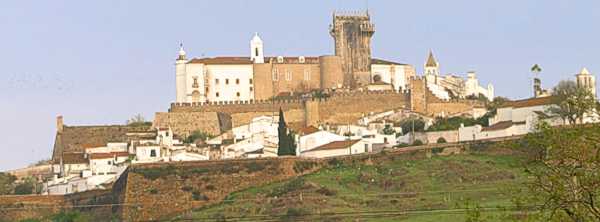
The castle of Estremoz is the result of the magnificent Palace that King D. Dinis built for his wife, Queen Santa Isabel. Now the Pousada Rainha Santa Isabel, from the palace gardens and swimming pool surrounded by battlements, you have superb views over the city.
Torre de Menagem
The impressive 14th-century keep dominates the upper town, offering panoramic views across the Alentejo plains to Spain. The marble-clad tower is a testament to the wealth this precious stone brought to the region.
Centro Historico
The historic centre features beautiful examples of military and religious architecture justified by Estremoz's strategic importance in wars against Spain. The town served as military headquarters of Nuno Alvares during the wars of Independence.
Chapel of Rainha Santa
This 17th-century chapel is dedicated to Queen Isabel of Aragon, later canonized as a saint. The chapel marks the room where she died in 1336 and features beautiful azulejo panels depicting her life.
Church of Santa Maria
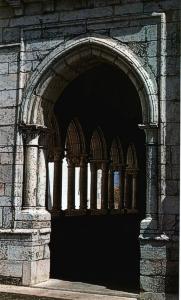
Built in the 16th century, this church in the upper town features fine tile panels and a Manueline portal.
Convent of the Congregados
This 17th-18th century convent church displays elaborate Baroque decoration and is one of the finest examples of religious architecture in the region.
Museums
The Museu Municipal houses collections of art and ethnography, while the Museu da Alfaia Agricola displays traditional rural tools. The Paco da Audiencia of King Dinis now serves as a drawing gallery.
Practical Information
Getting There
Estremoz is located about 170 km east of Lisbon and 45 km from Evora. The town is accessible by car via the A6 motorway and N4 road, or by bus from Lisbon and Evora.
Handicrafts
The region is famous for ornamental and functional earthenware, including the distinctive "Estremoz Dolls" - traditional clay figurines. You'll also find leatherwork, embroidery, and objects made from marble, cork, and straw.
Gastronomy
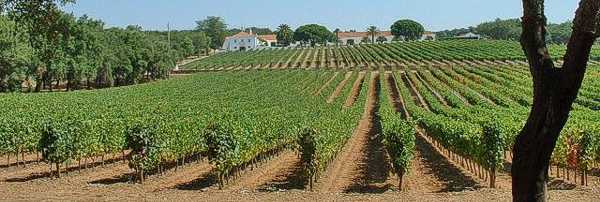
Try "migas" with pork, stewed hare with turnips, roast pork, and traditional cheese cakes. The local wines complement these hearty dishes perfectly.
Fairs and Festivals
The Feira Internacional Agropecuaria de Estremoz in April is the region's main event, combining agricultural displays with handicraft fairs and traditional festivities.